





Ethical Hacker / Security Researcher, OSINT analyst, and full-stack developer.


I break things to understand them and build things that last. My work spans offensive security. Web app pentesting, infrastructure assessment, and open-source intelligence, and full-stack engineering, where I ship production software that real people use.
I've independently identified critical infrastructure vulnerabilities, built hardened remote management systems, and developed platforms handling real-time coordination at scale. I focus on building and maintaining software that is deployed and actively used.
Currently deepening expertise in Python, network tooling, and low-level security research.
"The best way to understand how something breaks is to build it yourself."
A hosted event management platform built for organisers who need professional check-in, guest management, and real-time staff coordination — without subscription fees or enterprise overhead.
For organisers: Create and manage events with a full guest list, import guests via CSV, assign seating with a drag-and-drop visual map, and configure anti-fraud rules. Real-time check-in statistics and activity logs are available throughout the event.
For check-in staff: PIN-based login, QR code scanning via device camera, offline mode with automatic sync on reconnect, and WebRTC push-to-talk for team communication.
For guests: A personal invite link with QR code — no account required. Includes mobile wallet card view, print-ready name badge, and direct QR image embed URL.
Built with Node.js, Express, MongoDB, Redis, Socket.IO, React, Vite, and Tailwind CSS. Deployed on Render with a Netlify-hosted docs site. Event data is automatically deleted seven days after the event date.
PlanIt is proprietary freeware. Free to use via the hosted service; self-hosting and redistribution are not permitted.
A production readiness engine for JavaScript and TypeScript projects. Statically analyses codebases for the patterns that slip through code review — AI-generated shortcuts, security vulnerabilities, and reliability issues — before they reach production.
AI slop detection: Flags empty catch blocks, fake validation, dead code, TODO stubs, giant functions, and excessive nesting — the fingerprints of unreviewed AI output.
Security scanning: Detects hardcoded secrets, SQL injection, command injection, unsafe eval, weak cryptography, path traversal, dangerous CORS configuration, and prototype pollution.
Reliability checks: Catches missing await, unhandled promise rejections, and infinite loop patterns.
Multiple output formats: Text, JSON, Markdown, HTML, and SARIF — integrates with GitHub Code Scanning, CI pipelines, and editor tooling.
npx clean-slop check ./srcBuilt with TypeScript, @typescript-eslint/typescript-estree, and @babel/parser. Zero config required; supports .clean-slop.json for custom rule tuning.
MIT licensed. Open source.
A remote device management system for parents, organisations, and educational institutions that need real-time browser control across managed devices. Consists of a Chrome extension installed on target devices and a web-based control panel accessible from anywhere.
Core capabilities: Remote lock and unlock with a 2-second heartbeat, GPS location tracking, geofencing with automatic lockdown on boundary exit, device fingerprinting, IP blocking, quarantine mode for compromised devices, and a full audit trail of all actions.
Security architecture: 64-character API keys, SHA-256 hashing, HTTPS transport, console protection, DOM self-healing, and persistent service workers to prevent bypass attempts.
Supports all Chromium-based browsers (Chrome, Edge, Brave, Opera, Vivaldi) on version 88 or higher. Unlimited devices per account. Armed devices remain locked if the service is unreachable.
Use responsibly and in compliance with applicable privacy and monitoring laws in your jurisdiction.
No Skid Certificate

Introduction to Cybersecurity — May 2025
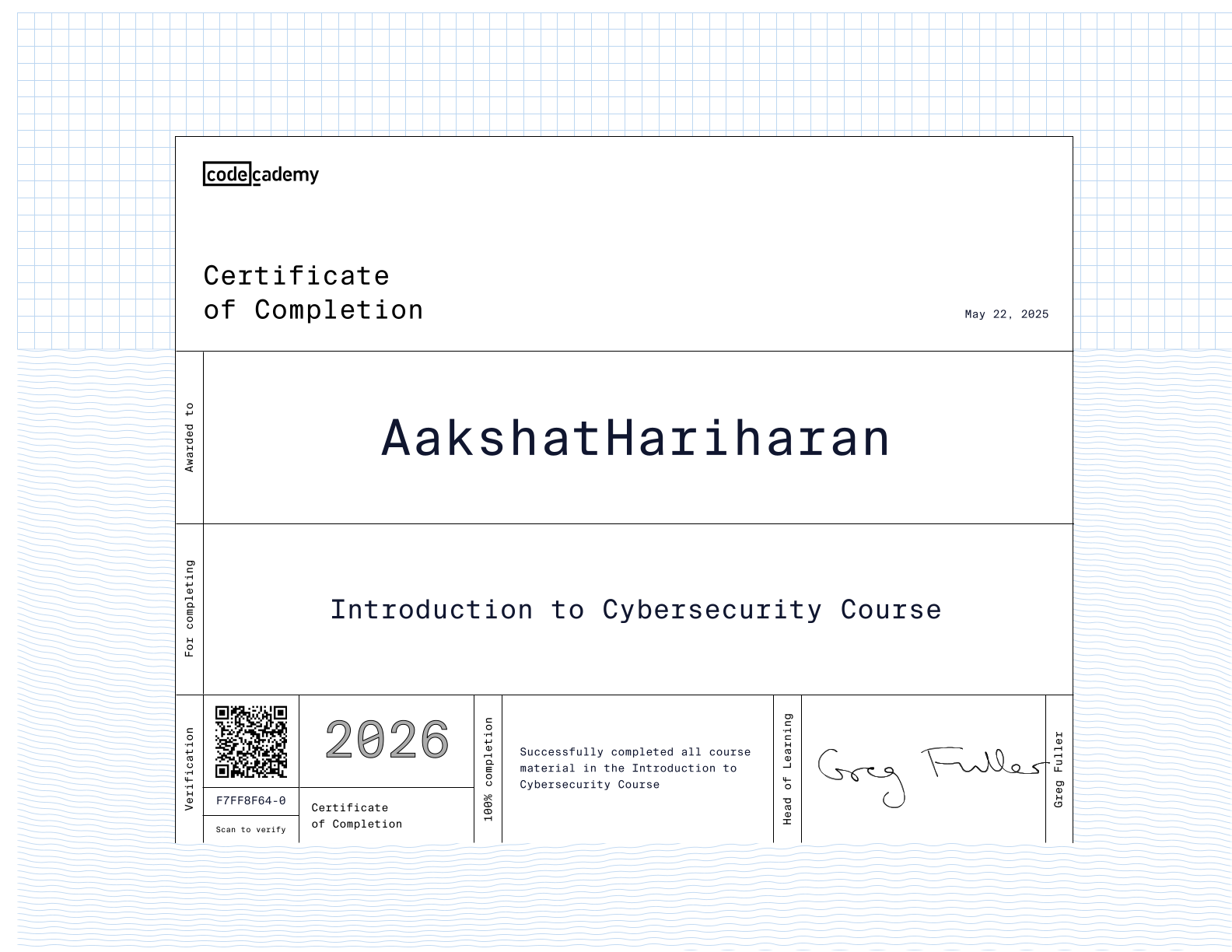
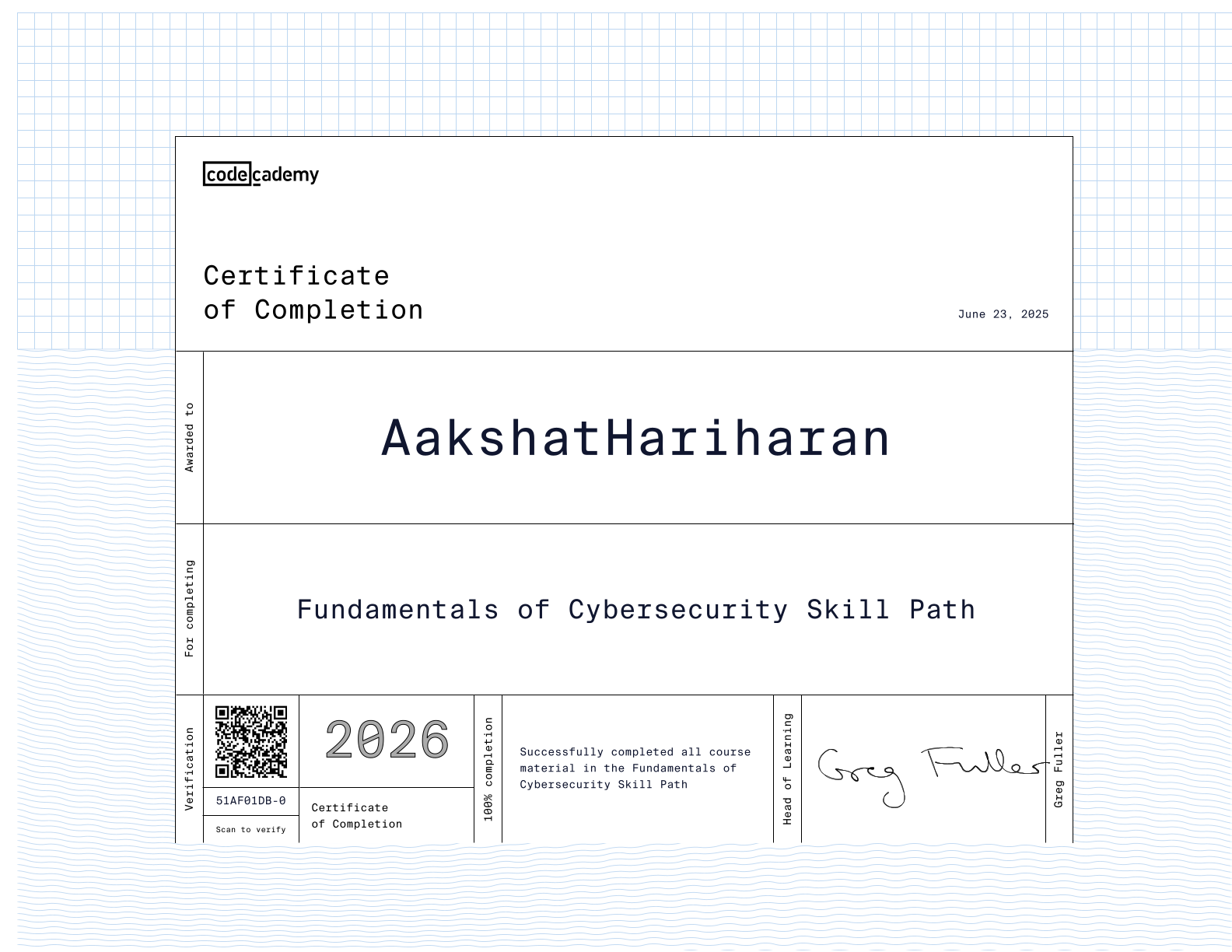
Fundamentals of Cybersecurity — Jun 2025
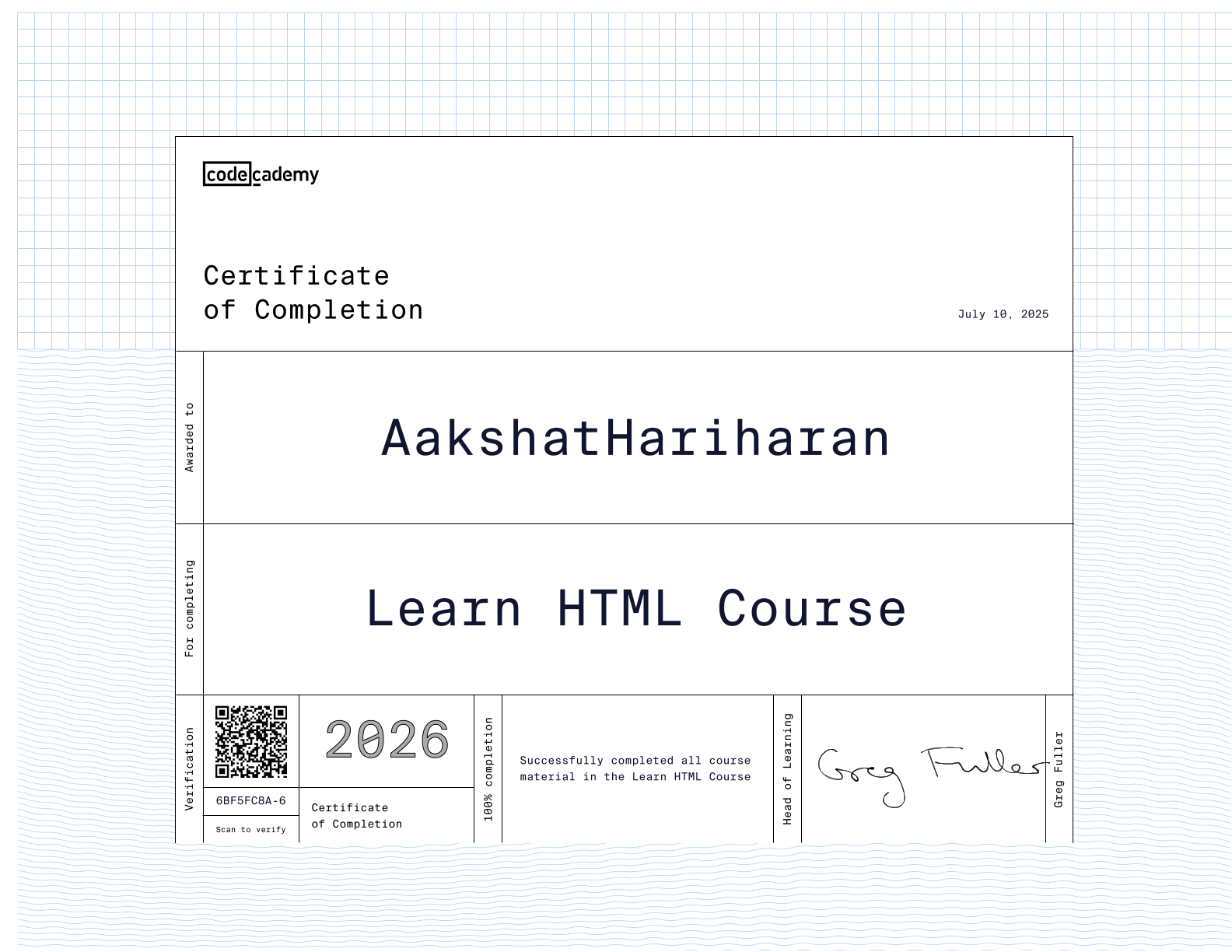
Learn HTML — Jul 2025
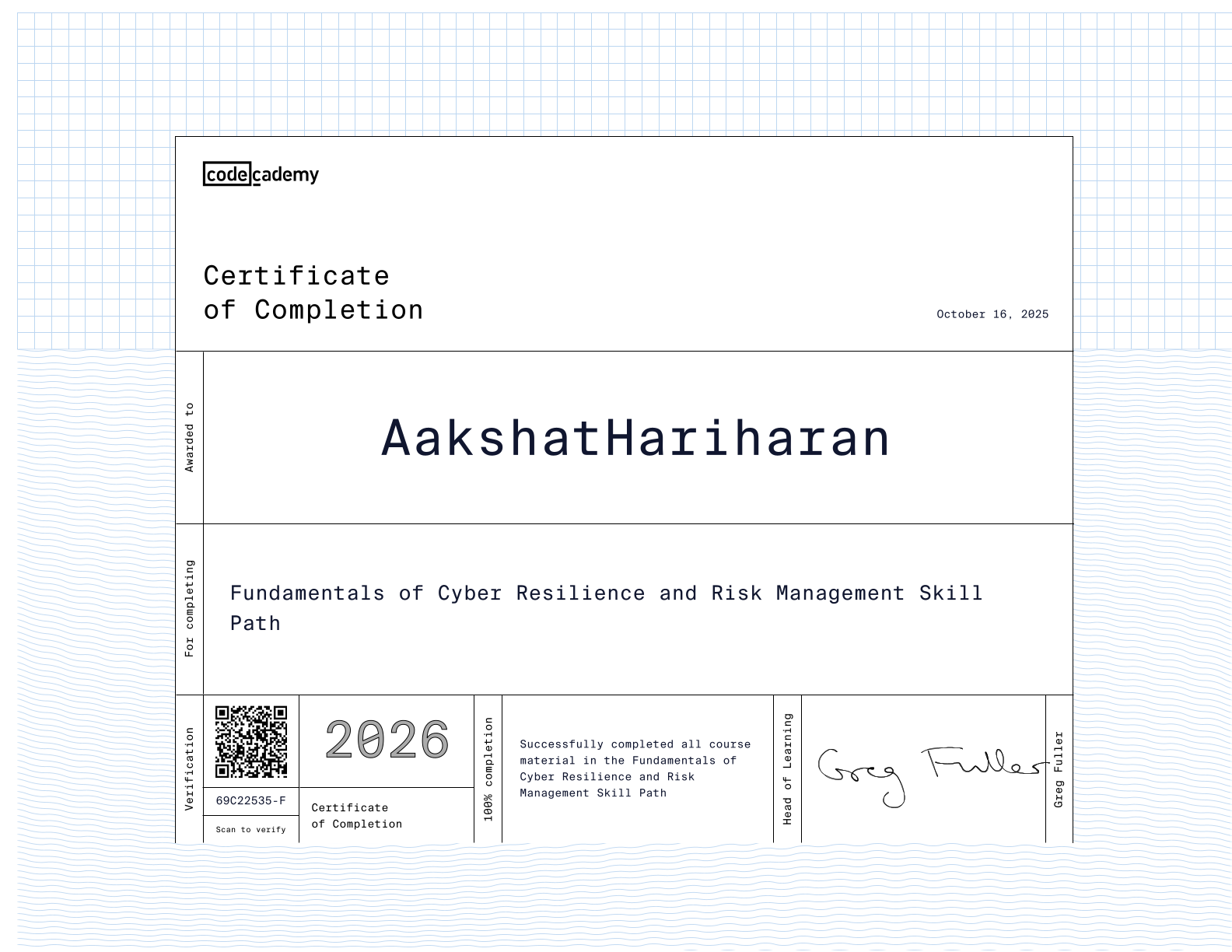
Fundamentals of Cyber Resilience and Risk Management — Oct 2025
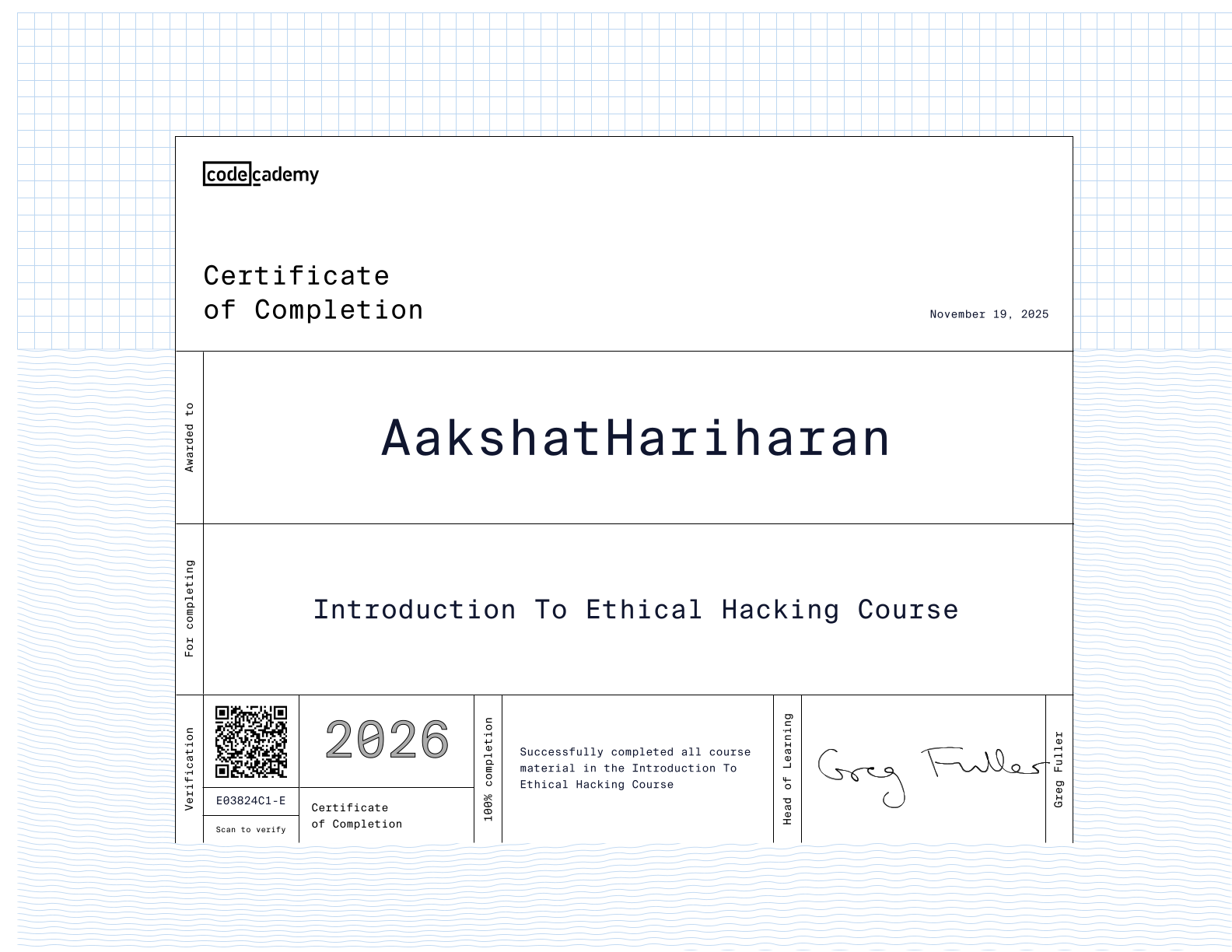
Introduction to Ethical Hacking — Nov 2025
Prompt Engineering: Cloud Computing & IoT Hacking in the Era of GenAI — Jan 2026
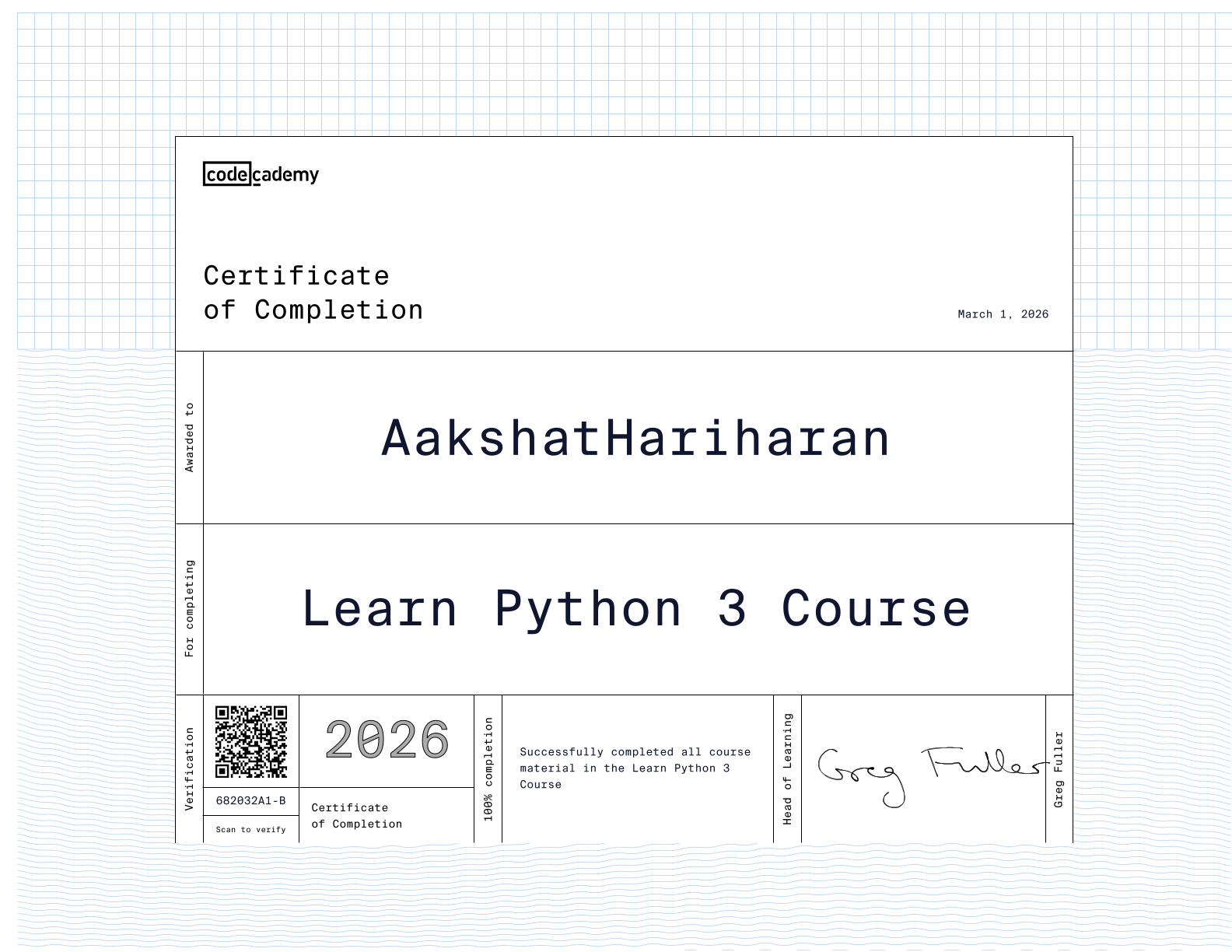
Learn Python 3 — Mar 2026


Languages







Frameworks & Libraries












Cloud & Infrastructure








Databases



Security & Networking




Design & Creative Tools






Support this work:
