
Technologies · Tools · Research · Publications · Teaching · Members · Contact
Sequence Bioinformatics & Genomics Group at the Faculty of Informatics, Masaryk University (Brno, Czech Republic).
We analyze genomes of humans, plants and other model organisms using long-read sequencing, focusing on complex and repetitive regions such as centromeres, telomeres, ribosomal DNA and the Y chromosome, DNA methylation and secondary DNA structures. We develop bioinformatics tools for these challenging regions.
Looking for our software? Start with Our tools below.
Interested in collaboration or a thesis topic? Get in touch.
We work primarily with Oxford Nanopore Technologies (ONT) and other long-read sequencing data, and we keep up with the latest sequencing technologies and methods.
- Oxford Nanopore & long reads: ultra-long ONT reads and other long-read data for whole-genome assemblies, including complete telomere-to-telomere assemblies of complex and repetitive regions, together with direct methylation calling.
- Pangenomes: human and other pangenomes to study genome variation, including complex and repetitive regions, across many individuals.
- Basecalling: basecalling of raw nanopore signal data, including hyperbasecalling (an experimental model for ONT's Dorado basecaller).
- Diverse sequencing assays: analysis of a wide range of sequencing data, including specialized methods such as PDAL-seq and its ONT-based version.
Bioinformatics tools from our lab, built for long-read data and complex, repetitive regions of the genome. Many of them were created as part of students' bachelor's and master's thesis projects at FI MU, and all are designed to be easy to install and use.
| Tool | What it does |
|---|---|
| andro | Fast annotation of the internal structure of rDNA arrays in genome assemblies, with partial support for nanopore reads. |
| bafiq | Flag-based BAM index (Rust) for much faster repeated counting and filtering of reads by FLAG combinations. |
| bambam | Filters alignments by shared rare k-mers to keep only reads confidently anchored in repetitive regions such as rDNA. |
| epidotplot | DNA sequence dotplots (self or pairwise) with an overlay of cytosine methylation. |
| raaqa | Assembly quality assessment from read alignments (MAPQ, soft-clipping) and haplotype separation in trio-based hifiasm assemblies. |
| straln | Converts EMBOSS stretcher alignments to BED/BEDPE and finds misplaced variants in repetitive regions, with automated IGV snapshots. |
| Tool | What it does |
|---|---|
| pqsfinder | Imperfection-tolerant prediction of G-quadruplex-forming sequences, also available as a Bioconductor package. |
| triplex | Search and 1D/2D/3D visualization of potential intramolecular triplex-forming sequences (H-DNA) in DNA (paper). |
Ribosomal DNA arrays are the last unresolved region of human telomere-to-telomere assemblies. We develop sequencing and assembly strategies to resolve them and reconstructed a complete rDNA array on chromosome 14.
Read more
Ribosomal DNA arrays are made of more than 100 copies of a ~45 kb unit. We combine high-coverage ONT sequencing, including adaptive sampling, with the experimental hyperbasecalling model and optimized HiFiASM assembly strategies, and analyze sequence variation across the assembled array.
Repository: bioinf-fi/rDNA · Preprint: bioRxiv, 2025
We study variation in DNA methylation across 142 human Y chromosomes, with a focus on palindromic regions.
Read more
We characterize variation in DNA methylation levels and heterogeneity, with a focus on palindromic regions, structural architecture and sequence-derived features such as G-quadruplexes. These patterns are related to intra-palindromic sequence identity and the structural organization of the Y chromosome, using assemblies and data from HPRC, HGSVC, GIAB and CEPH.
Repository: bioinf-fi/Y-meth-pangenome · Preprint: bioRxiv, 2026
Centromere dip regions are short hypomethylated regions that mark the site of kinetochore assembly. We study how their position varies between individuals and how it is inherited.
Preprint: bioRxiv, 2025
G-quadruplexes are stable secondary DNA structures that can influence replication, mutation and recombination. We study their distribution and roles across whole genomes, combining computational G4 prediction (e.g. with pqsfinder) with experimental G4 detection by PDAL-seq.
In a collaborative study, we showed that PRDM9, which determines the sites of meiotic recombination, directly binds G4-forming DNA.
Read more
PRDM9 is a histone methyltransferase that determines the sites of meiotic recombination. We showed that G4 motifs are among the most common features at PRDM9 binding sites, with the strongest enrichment for highly stable G4s, and that PRDM9 directly binds G4-forming DNA. This suggests that stable G4 structures help recruit PRDM9 and may contribute to the initiation of meiotic recombination.
Repositories: tommsko/PRDM9-enrichment · angelikaLahn/PRDM9_G4_overlap · Preprint: bioRxiv, 2026
- Cechova M, et al. Complete genomes of a multi-generational pedigree to expand studies of genetic and epigenetic inheritance. bioRxiv (2025). doi:10.64898/2025.12.14.693655
- Hallast P, et al. Population-scale Y chromosome assemblies reveal recurrent remodeling within constrained architectures. bioRxiv (2026). doi:10.64898/2026.06.03.729890
- Hartge MK, et al. G-quadruplex structures act as a novel recognition motif for the meiosis-specific histone methyltransferase PRDM9. bioRxiv (2026). doi:10.64898/2026.07.31.742039
- Hon J, Martínek T, Zendulka J, Lexa M. pqsfinder: an exhaustive and imperfection-tolerant search tool for potential quadruplex-forming sequences in R. Bioinformatics 33(21):3373–3379 (2017). doi:10.1093/bioinformatics/btx413
- Kotrs J, Lexa M. bafiq: BAM Flag Index Tool for Faster Repeated Queries of Mapped Reads. ITAT 2025, CEUR Workshop Proceedings Vol-4092 (2025). PDF
Courses taught by our lab members at Masaryk University (FI = Faculty of Informatics, PřF = Faculty of Science).
| Code | Course | Semester |
|---|---|---|
| FI:IB031 | Introduction to Machine Learning | Spring |
| FI:IV107 | Bioinformatics of Sequences and Genomes | Autumn |
| FI:IV108 | Advanced Bioinformatics Algorithms | Spring |
| FI:IV110 | Exercises in Sequence Analysis | Autumn |
| FI:IV114 | Bioinformatics Practical | Spring |
| FI:IV129 | Lab Project – Sybila | Autumn, Spring |
| FI:PA052 | Introduction to Systems Biology | Autumn |
| FI:PA055 | Visualization of Bioinformatics Data | Autumn |
| FI:PB051 | Computational Methods in Bioinformatics and Systems Biology | Spring |
| FI:PB172 | Lab Seminar – Sybila | Autumn, Spring |
| FI:PV269 | Advanced Methods in Bioinformatics | Autumn |
| PřF:C4755 | Bioinformatics Seminar | Autumn |
| PřF:E4014 | Project in Mathematical Biology and Biomedicine – Biomedical Bioinformatics | Autumn |
| PřF:S5050 | Field Seminar – Life Sciences | Spring |
Hands-on bioinformatics workshops on analyzing modern genomics data, open to the broad scientific community, including non-academics. Past topics include:
- Genome assembly: telomere-to-telomere assembly, diploid genomes, assembly quality control and haplotype-resolved assemblies (materials)
- Methylation analysis using long reads: visualizing and calling methylation, MM/ML tags in nanopore reads, methylation-based read phasing and differential methylation analysis (materials)
We take part in events for talented high school students, such as AI for Talents, Czech Hopes, BrNoc and other activities in Brno, introducing them to bioinformatics and genomics.
Materials and Jupyter notebooks for all past workshops are available in bioinf-fi/workshops.
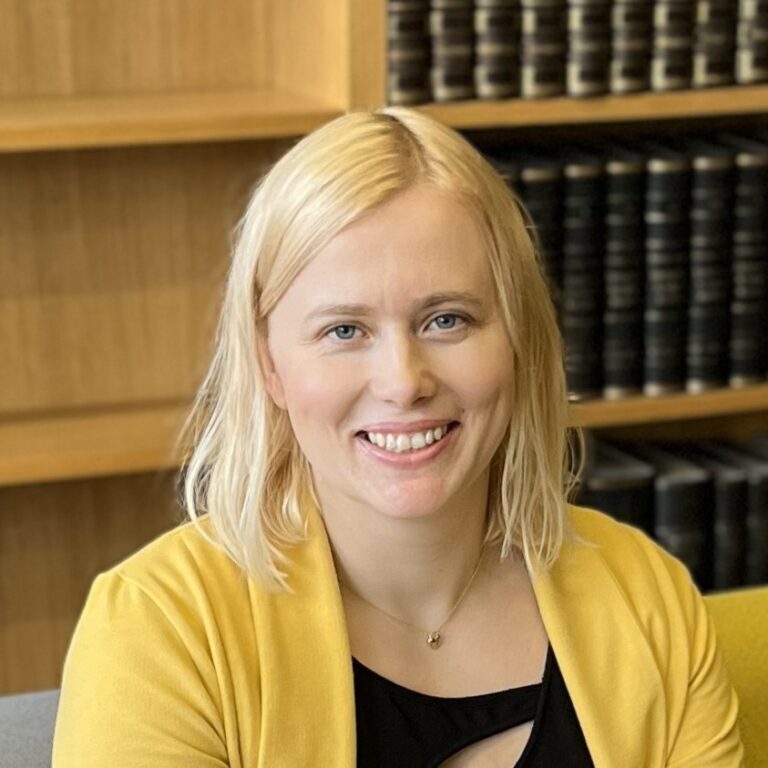 Mgr. Monika Čechová, Ph.D. Assistant Professor ORCID · GitHub · Google Scholar 
|
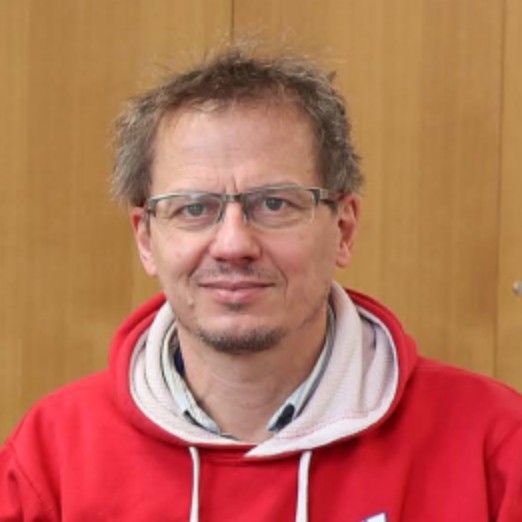 doc. Ing. Matej Lexa, Ph.D. Associate Professor ORCID · ResearchGate
|
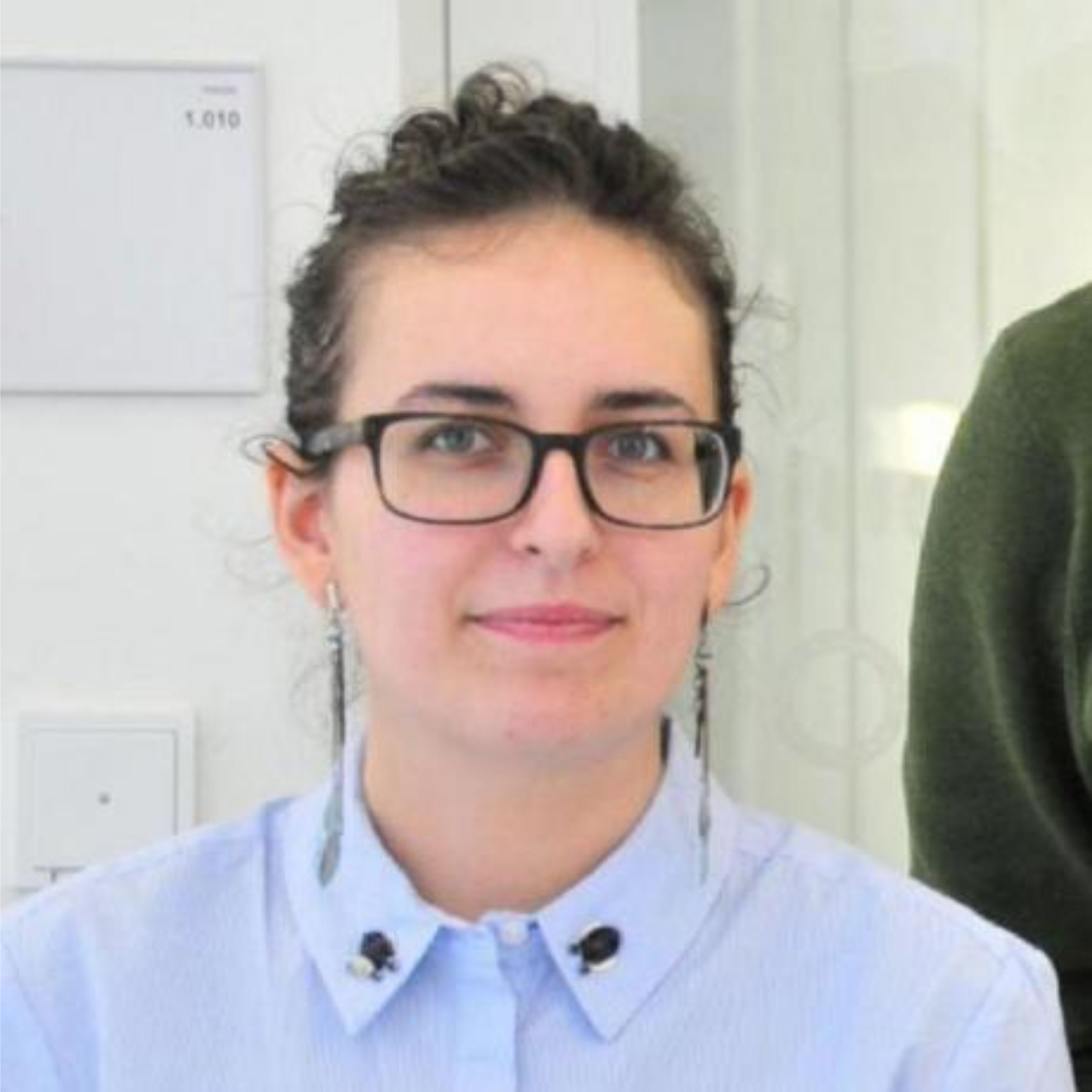 Mariateresa Mazzetto, PhD Senior PostDoc Specialist GitHub · Google Scholar · LinkedIn
|
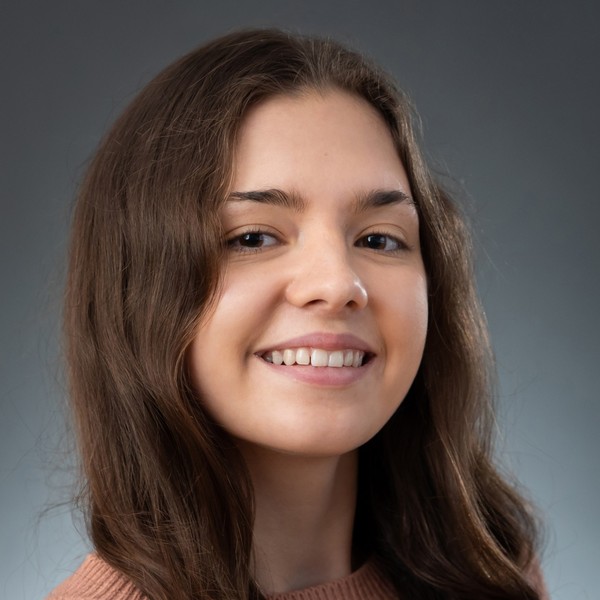 Bc. Nikol Poláková Research Specialist ORCID · GitHub · LinkedIn |
 Bc. Tomáš Pavlík Analyst GitHub |
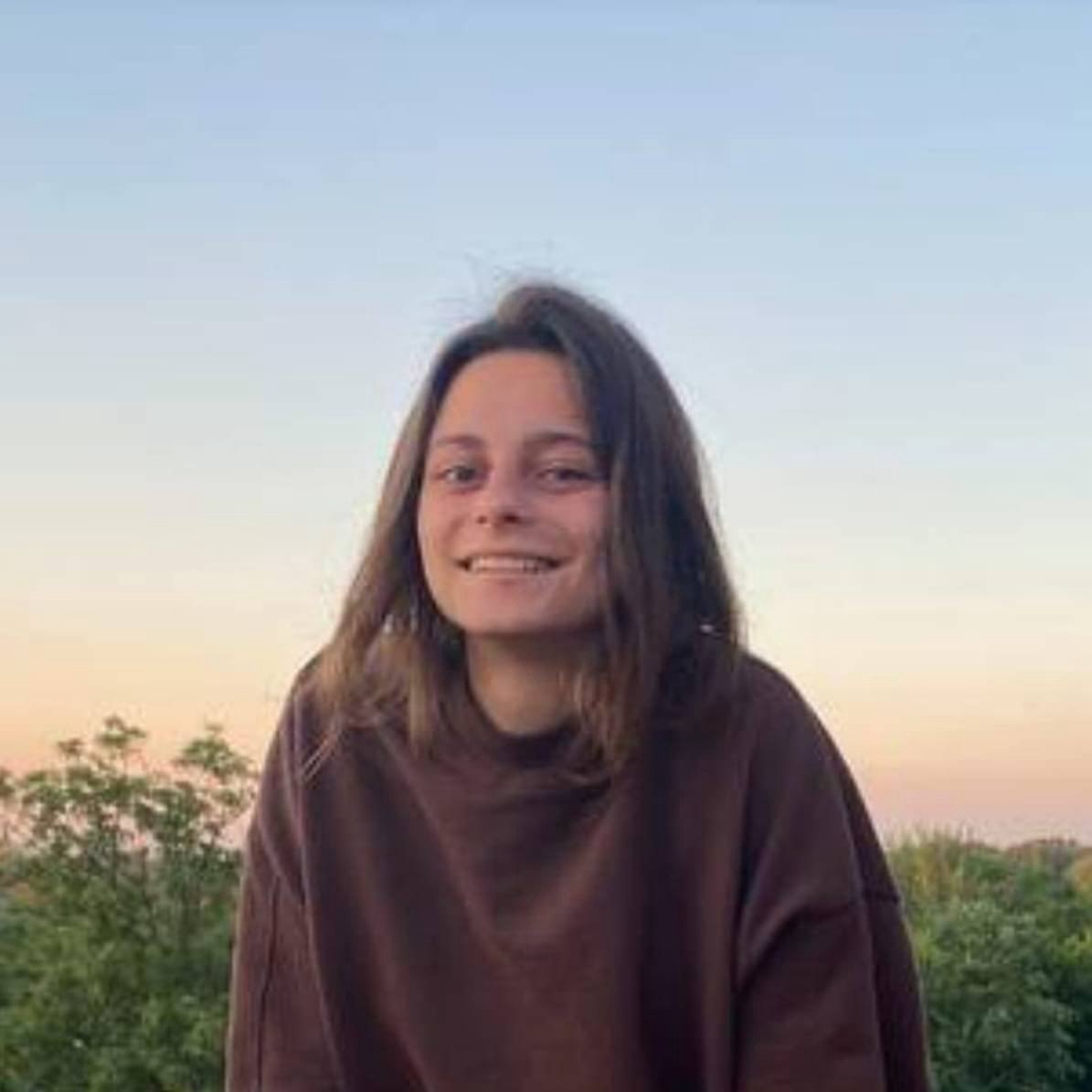 Bc. Nadzeya Antsipenka Research Specialist GitHub · LinkedIn |
- Faculty of Informatics, Masaryk University
- Systems Biology and Bioinformatics Laboratory (SYBILA)
- Bioinformatics at Masaryk University: research and projects
- Contact:
- Mgr. Monika Čechová, Ph.D. (cechova@fi.muni.cz)
- doc. Ing. Matej Lexa, Ph.D. (lexa@fi.muni.cz)